table of contents
The global housing industry is changing rapidly. Rising construction costs, labor shortages, long project timelines, and increasing demand for flexible living spaces are pushing both homeowners and developers to search for smarter building solutions. Modular homes have quickly emerged as one of the most practical and efficient alternatives to traditional construction.
Modern modular housing is no longer viewed as temporary or low-end accommodation. Today’s prefab homes combine advanced manufacturing technology, modern architectural design, energy efficiency, and fast installation to create high-quality living and commercial spaces for customers around the world.
What Is A Modular Home?
A modular home is a prefabricated building manufactured inside a factory and transported to the installation site in sections or complete modules. Unlike traditional construction, where most work happens outdoors, modular homes are produced in controlled factory environments using standardized manufacturing processes.
After transportation, the modules are assembled on-site and connected to utilities, foundations, and finishing systems. The result is a modern, durable, and fully functional building completed in a fraction of the time required for traditional construction.
Common Types Of Modular Housing
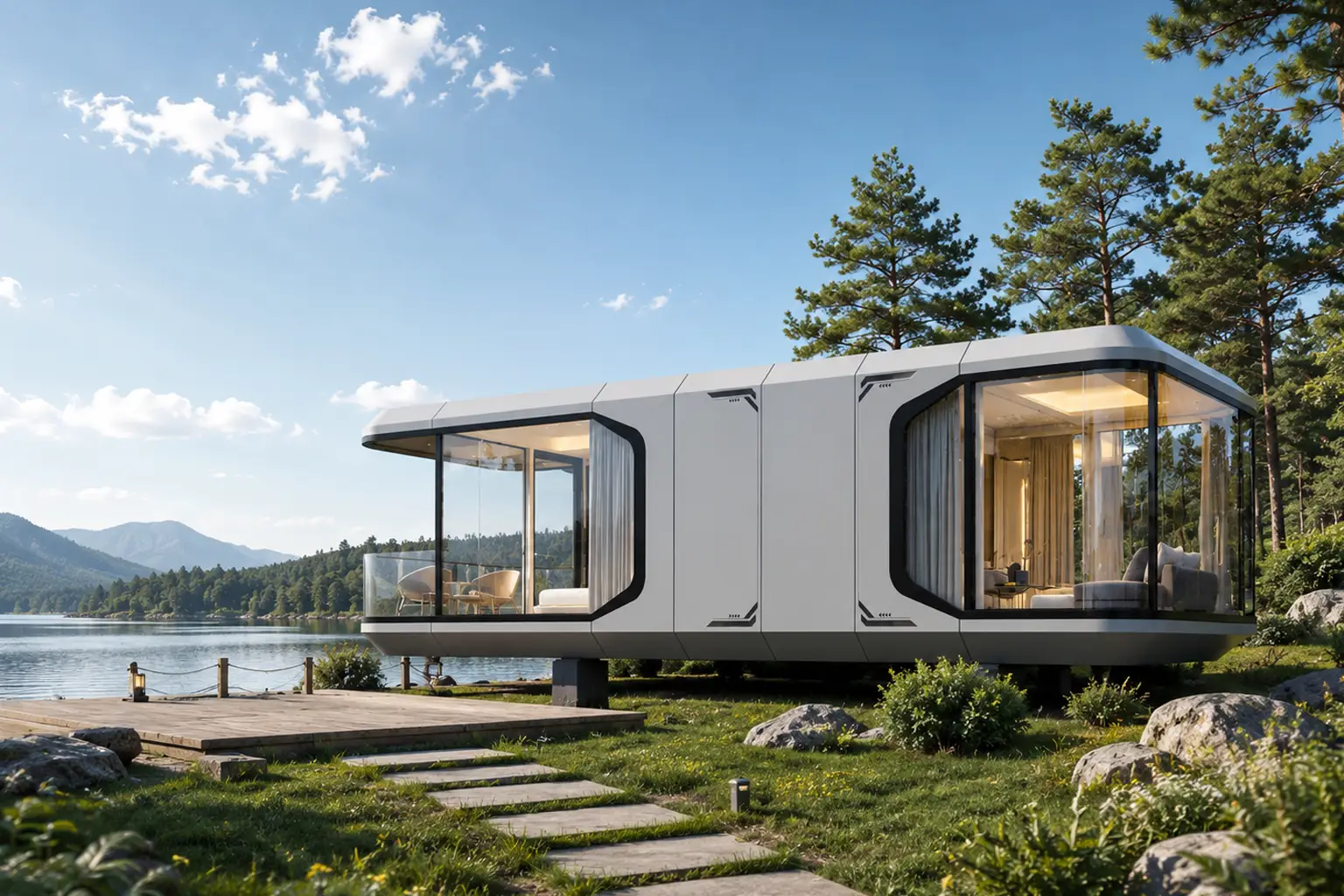
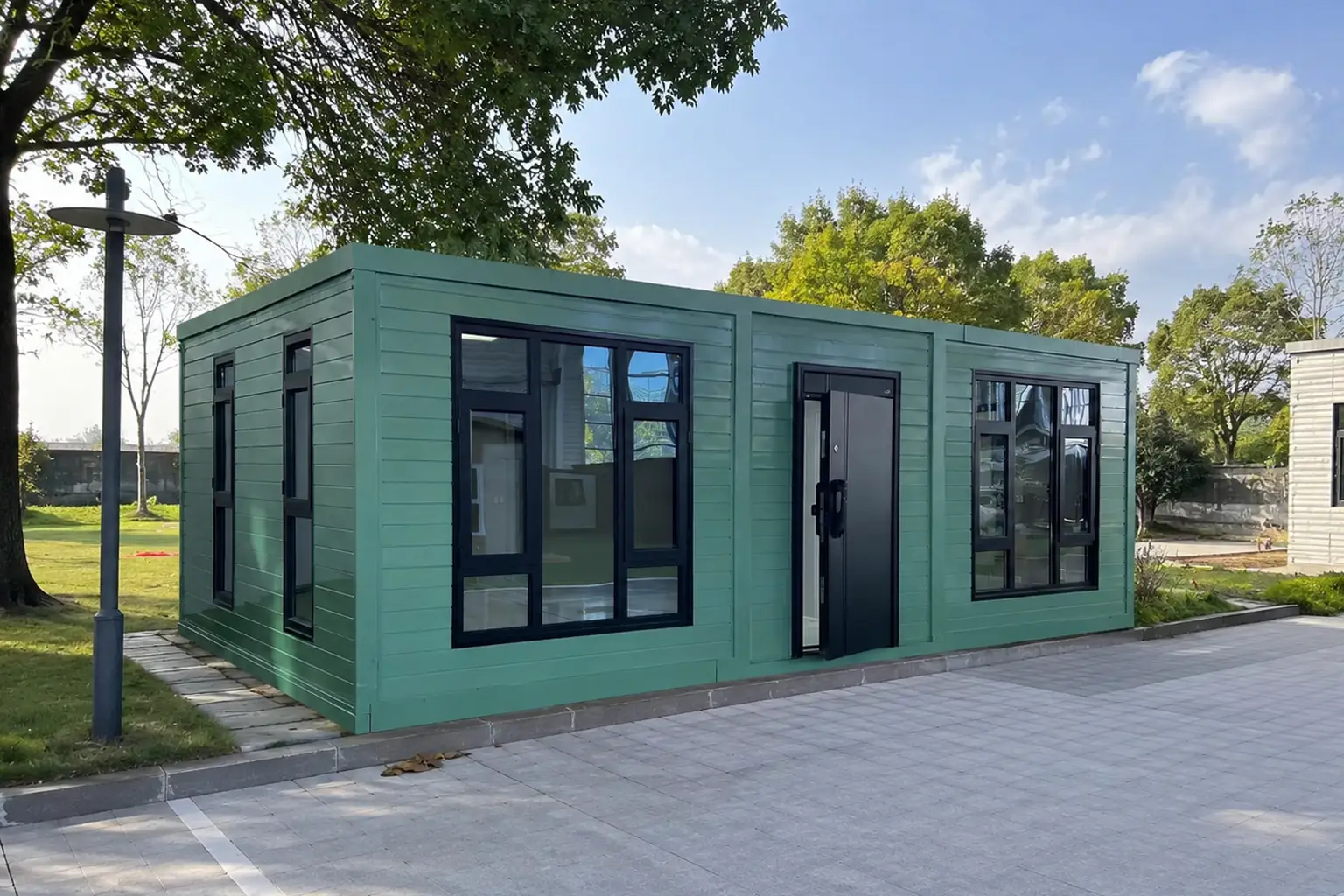
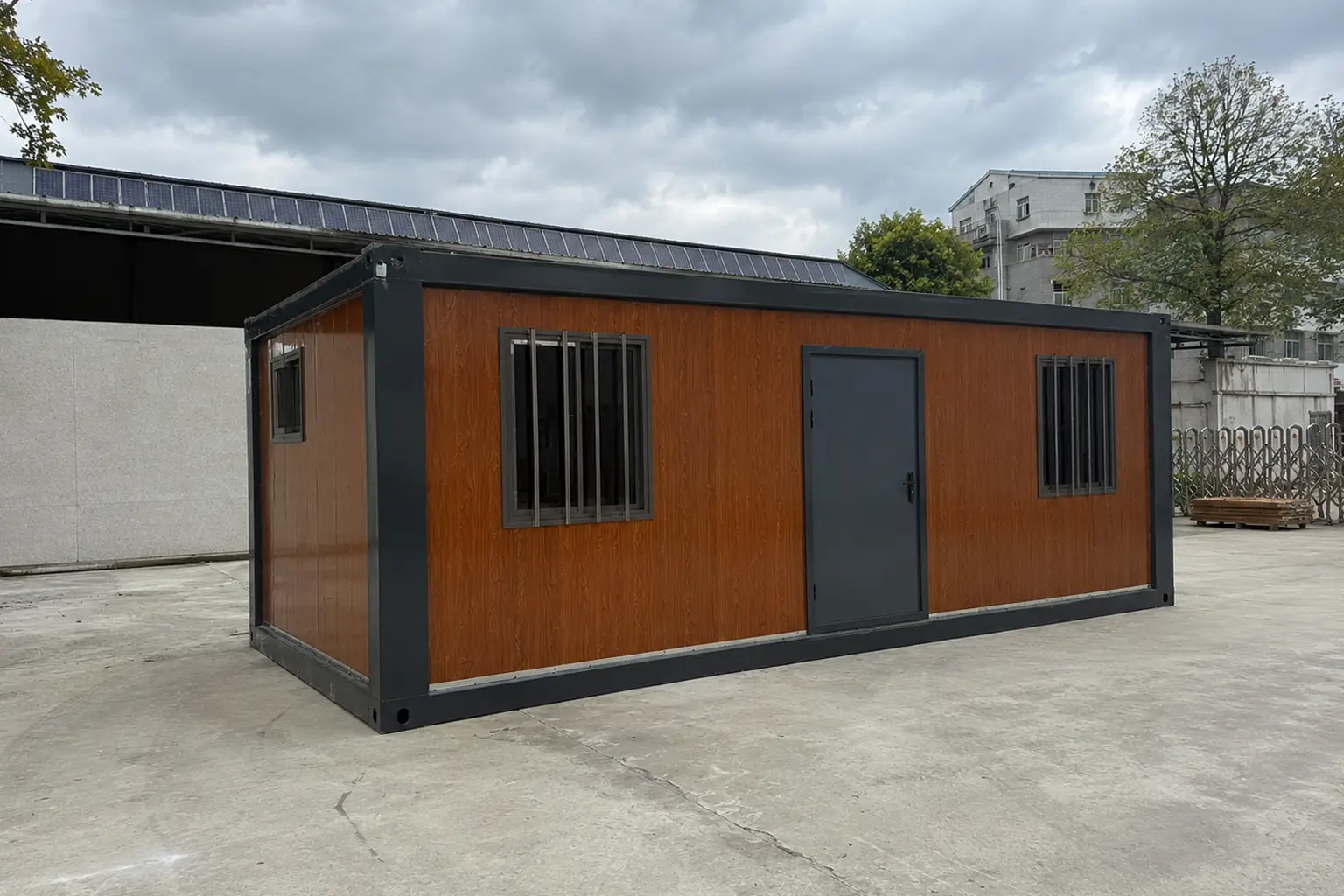
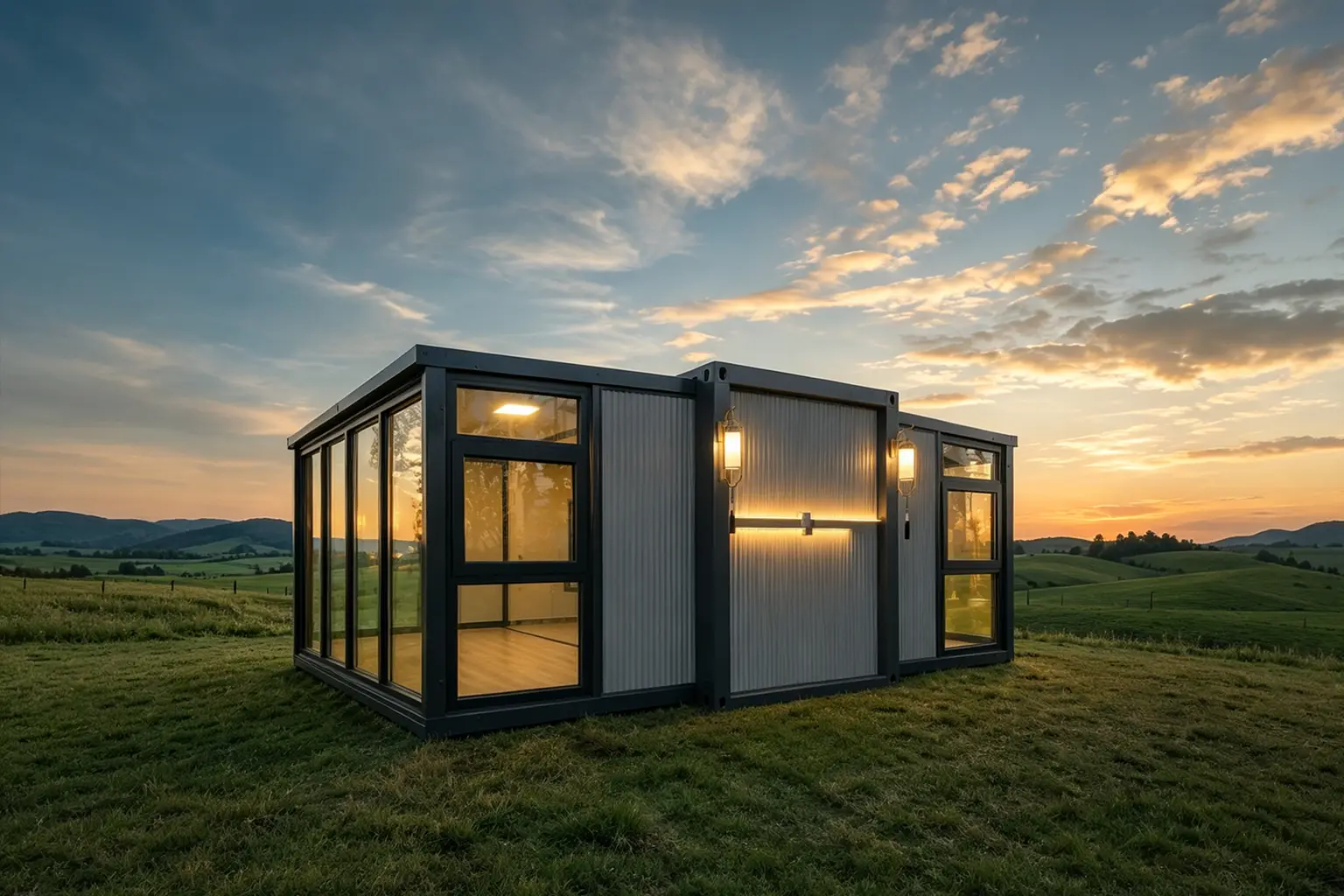
Each solution is designed for different applications including residential housing, resorts, Airbnb rentals, offices, workforce accommodation, and temporary project housing.
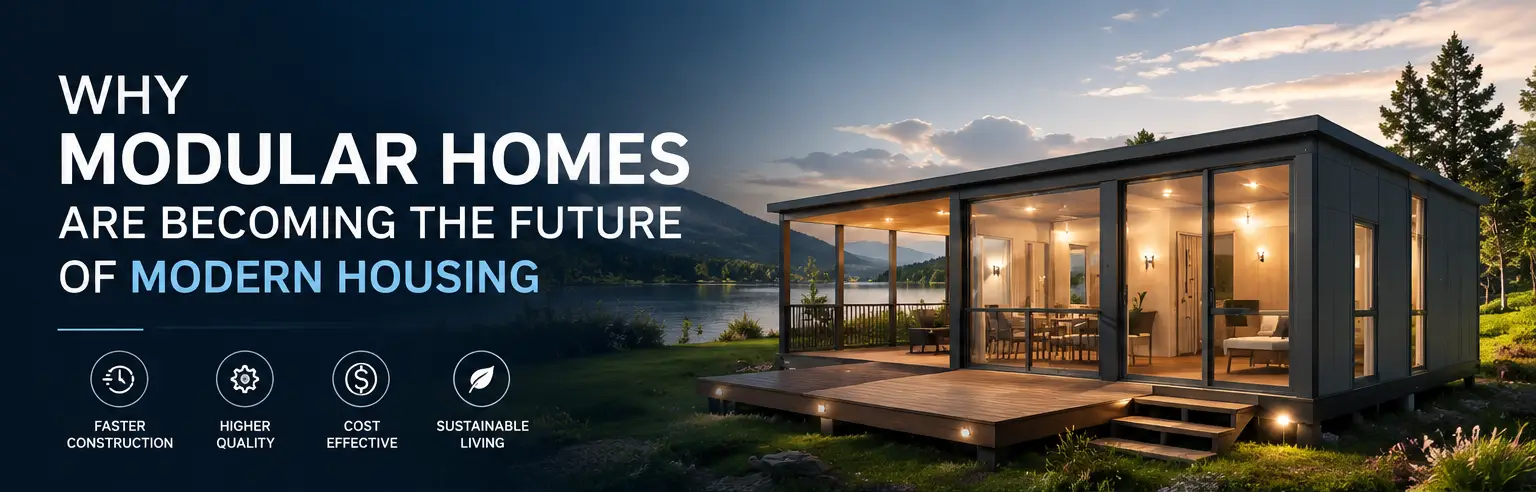
Why Modular Homes Are Becoming The Future Of Modern Housing
Faster Construction & Installation
One of the biggest advantages of modular housing is speed.
Traditional construction projects are often delayed by weather conditions, labor shortages, or inefficient site coordination. In contrast, modular homes are produced inside factories while site preparation happens simultaneously. This significantly reduces the total construction timeline.
Why Speed Matters
Faster installation allows customers to:
For commercial projects such as resorts, campsites, and rental cabins, faster completion means earlier revenue generation and a quicker return on investment.
Typical Installation Advantages
Many modular houses can be installed within days instead of months.
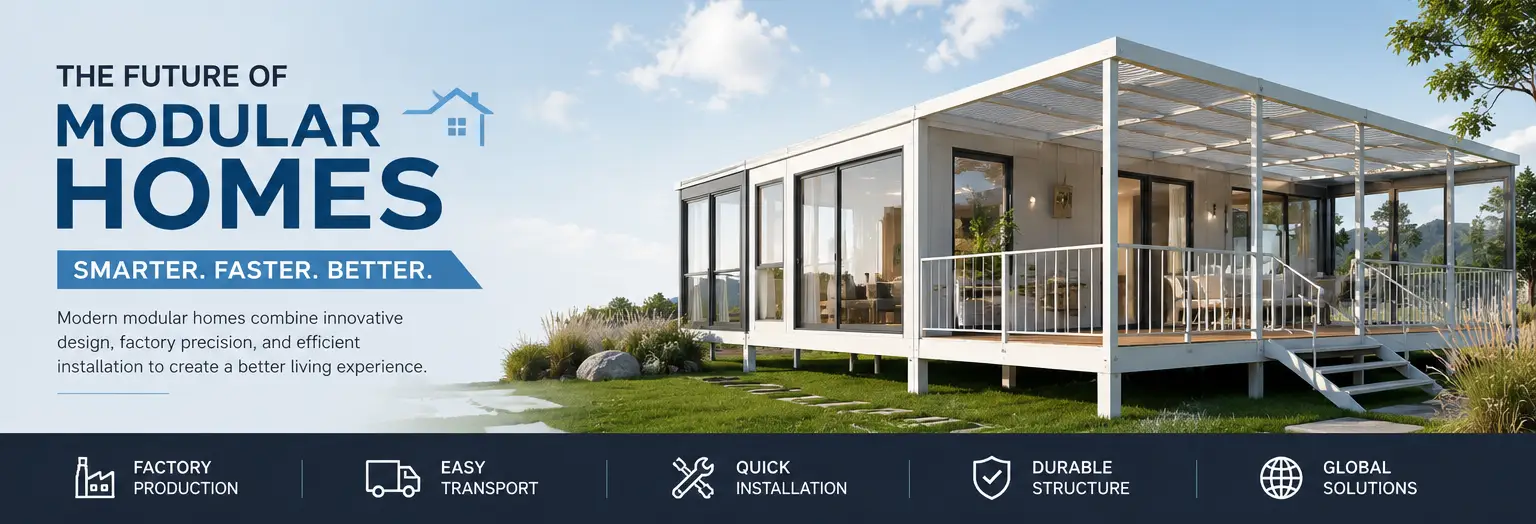
Why Modular Homes Are Becoming The Future Of Modern Housing
Modern Design Has Changed The Industry
In the past, prefab housing was often associated with simple temporary buildings. Today, modular homes have evolved into highly modern and visually appealing structures.
Architects and manufacturers now focus heavily on aesthetics, functionality, and user experience. Modern prefab houses feature:
Flat roof modular homes and capsule houses are especially popular in tourism and hospitality projects because of their futuristic appearance and efficient use of space.
Customization Is More Flexible Than Ever
Modern modular housing can be customized based on:
This flexibility makes modular housing suitable for both private buyers and large-scale commercial developments.



Better Quality Through Factory Manufacturing
Factory production environments provide better consistency and quality control than traditional outdoor construction sites.
Inside the factory, every production stage follows standardized manufacturing procedures. Materials are carefully inspected, dimensions are precisely measured, and structural components are tested before shipment.
Benefits Of Factory Production
Stable Manufacturing Environment
Production is not affected by weather conditions such as rain, snow, or extreme temperatures.
Higher Precision
Advanced machinery improves cutting accuracy, welding quality, and structural consistency.
Reduced Material Waste
Factory systems optimize material usage and reduce unnecessary waste.
Easier Quality Inspection
Every production stage can be monitored and inspected more efficiently.
For customers, this means more reliable product quality and fewer construction-related problems.
The Future Of Housing Is Smarter & Faster
Modular housing is no longer an alternative niche product — it is becoming a mainstream solution for modern construction.
As technology advances and global housing demand continues growing, customers are increasingly prioritizing:
- Faster project delivery
- Flexible customization
- Better cost control
- Sustainable building methods
- Reliable product quality
Modern prefab homes successfully combine all of these advantages into one efficient solution.
At MACOHOUSE, we believe modular housing represents the future of modern living. Through professional factory manufacturing, innovative design, and global project experience, we continue helping customers build smarter, faster, and more efficiently worldwide.